Sevilla Subway L1
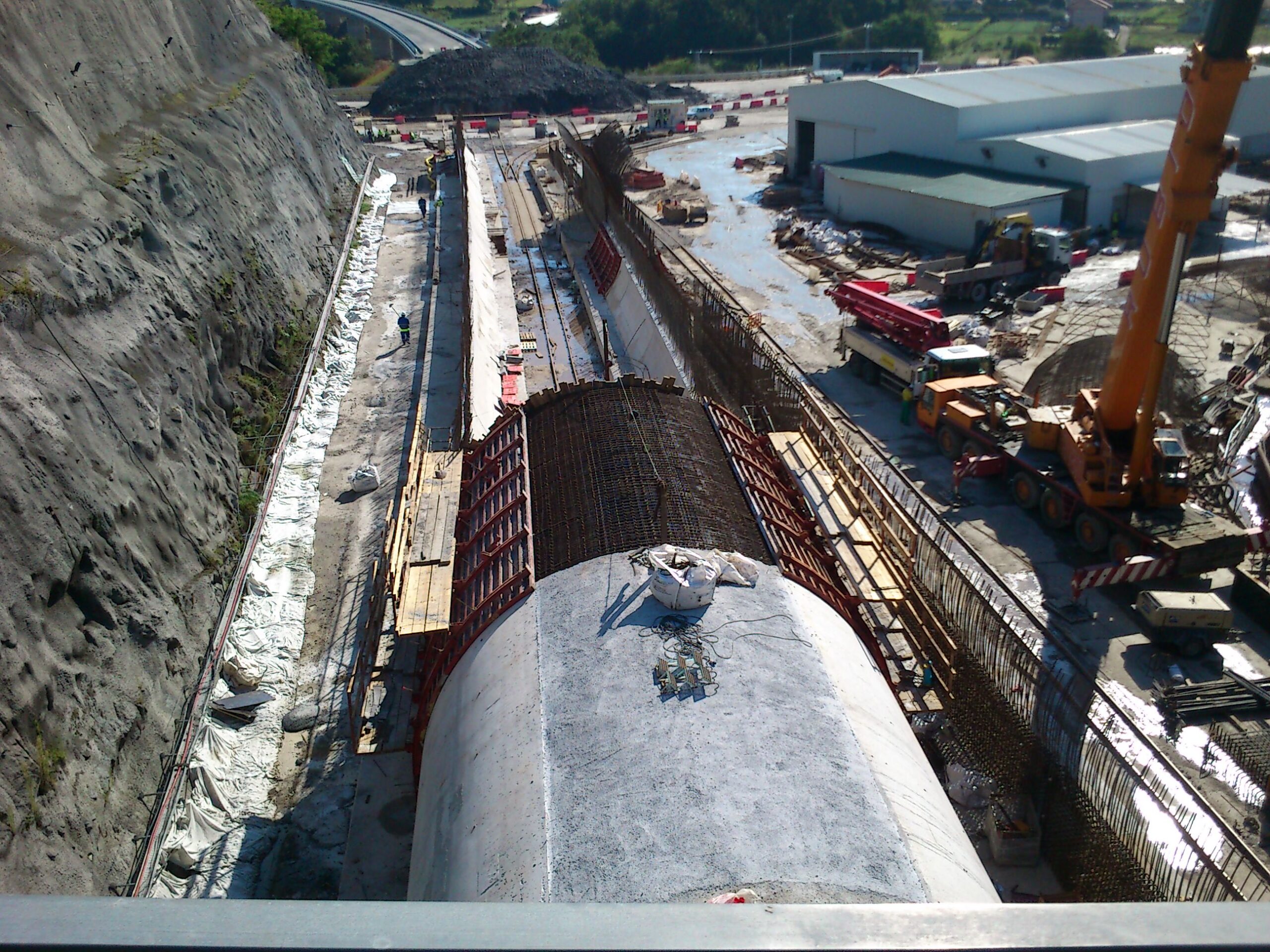
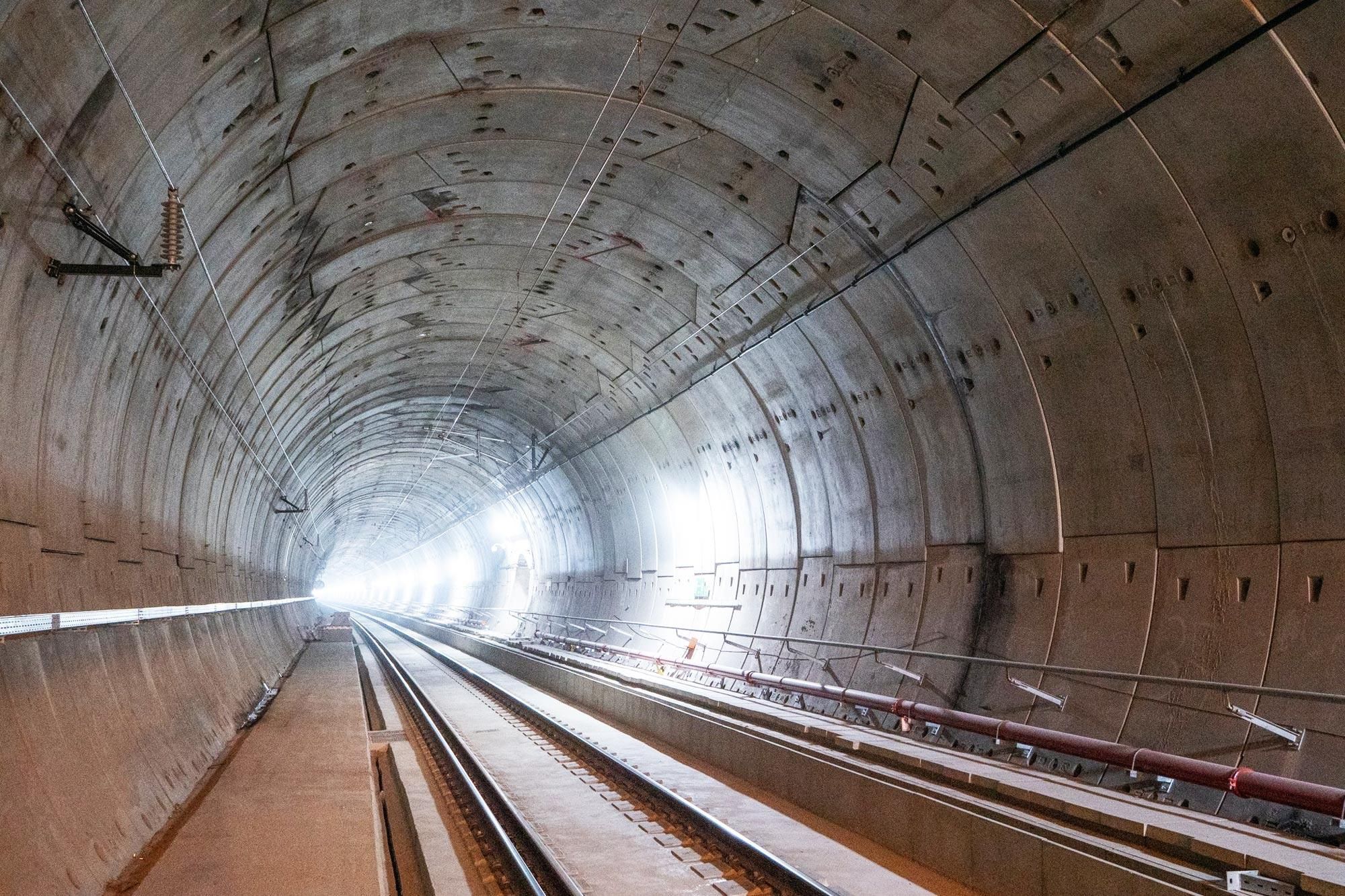
Seville Metro Line 1 was one of the most significant urban rail infrastructure projects developed in Andalusia, connecting the city of Seville with the municipalities of Dos Hermanas, San Juan de Aznalfarache and Mairena del Aljarafe through an 18 km long metro corridor comprising 22 stations, including 15 underground stations and 7 surface stations. The infrastructure combines tunnels, cut-and-cover sections, viaducts, underground stations and special engineering structures, with approximately 60% of the alignment underground and 40% at surface level, incorporating a total of 39.2 km of track and 11.2 km of tunnels
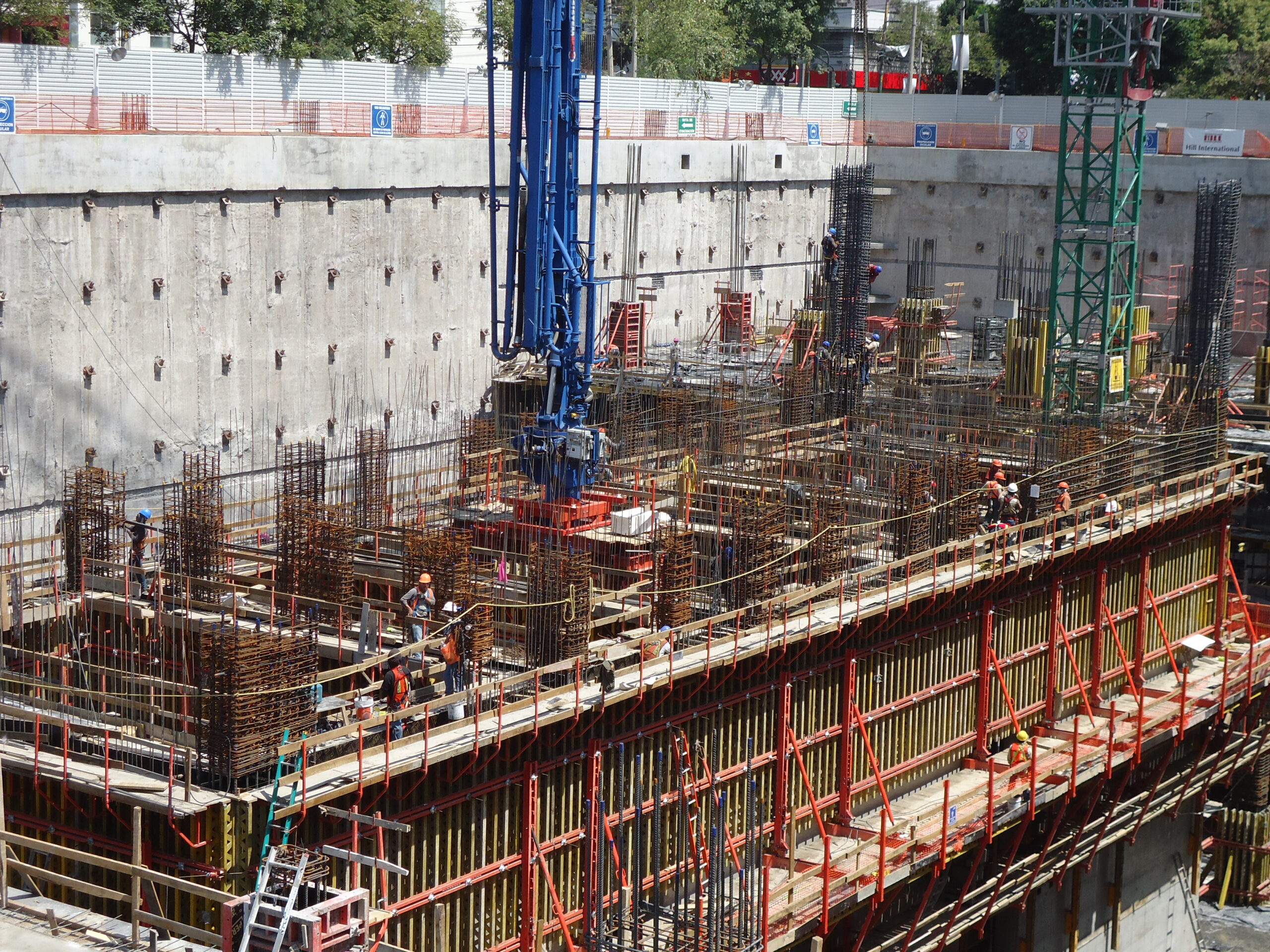
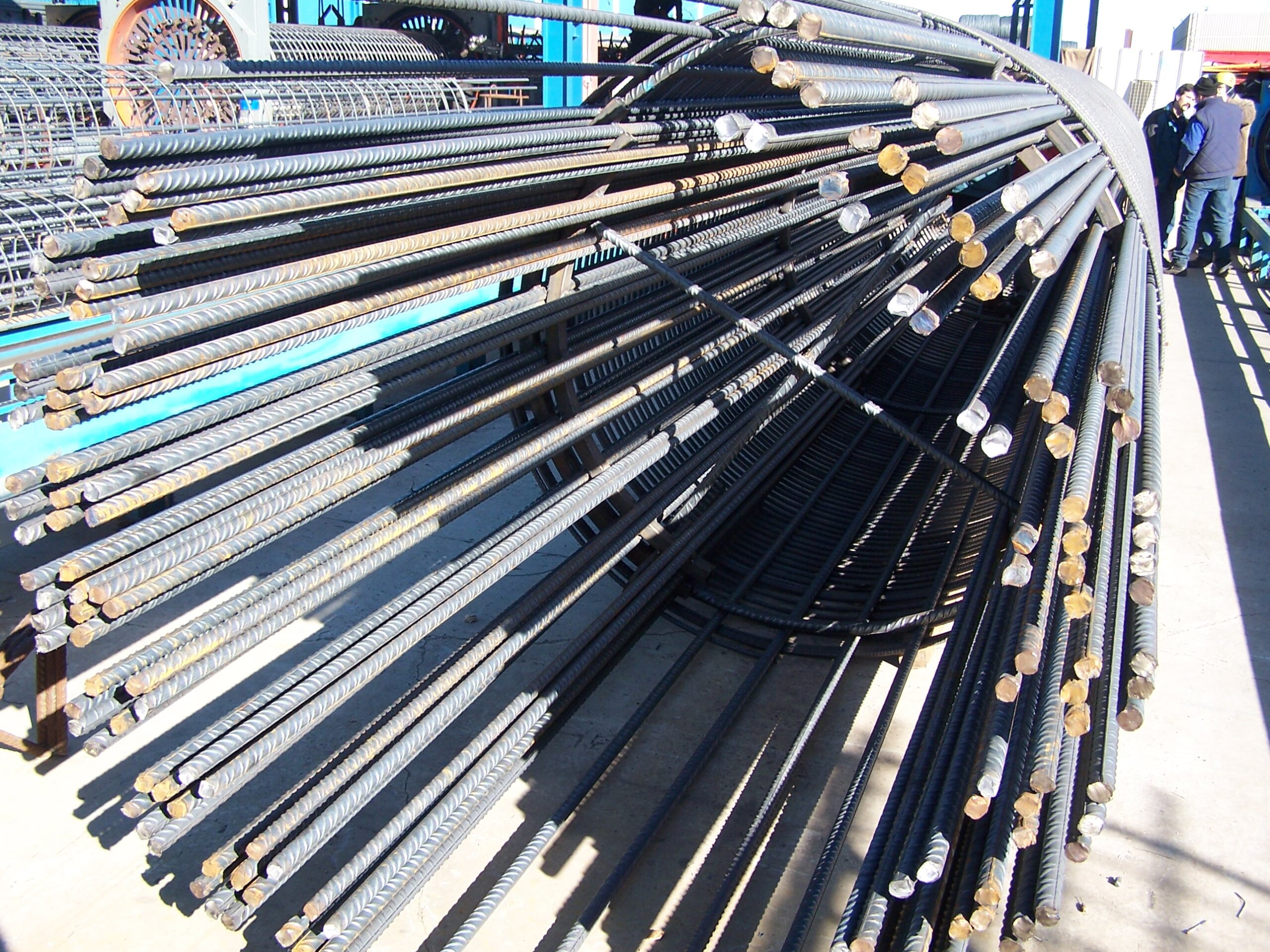
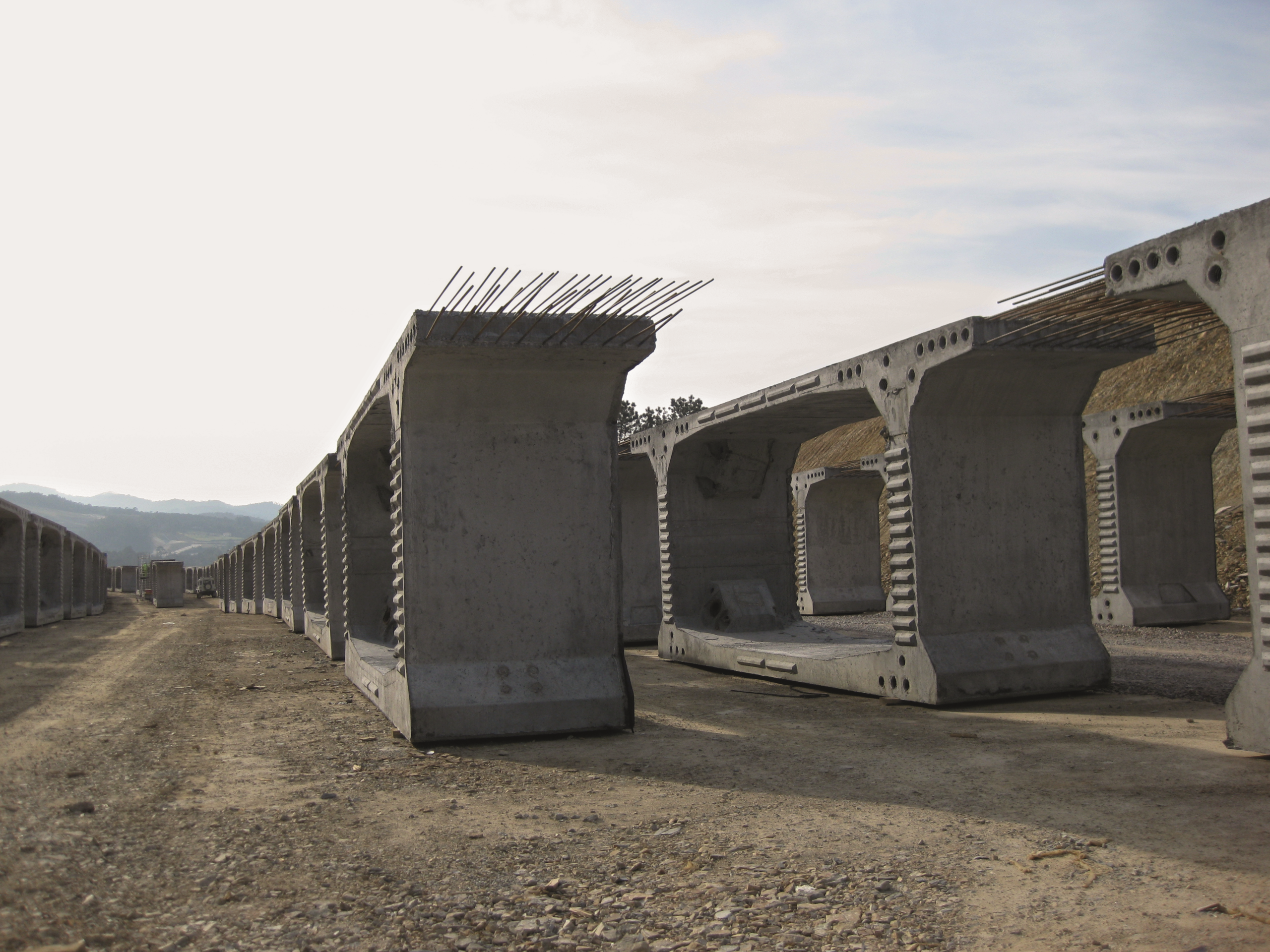
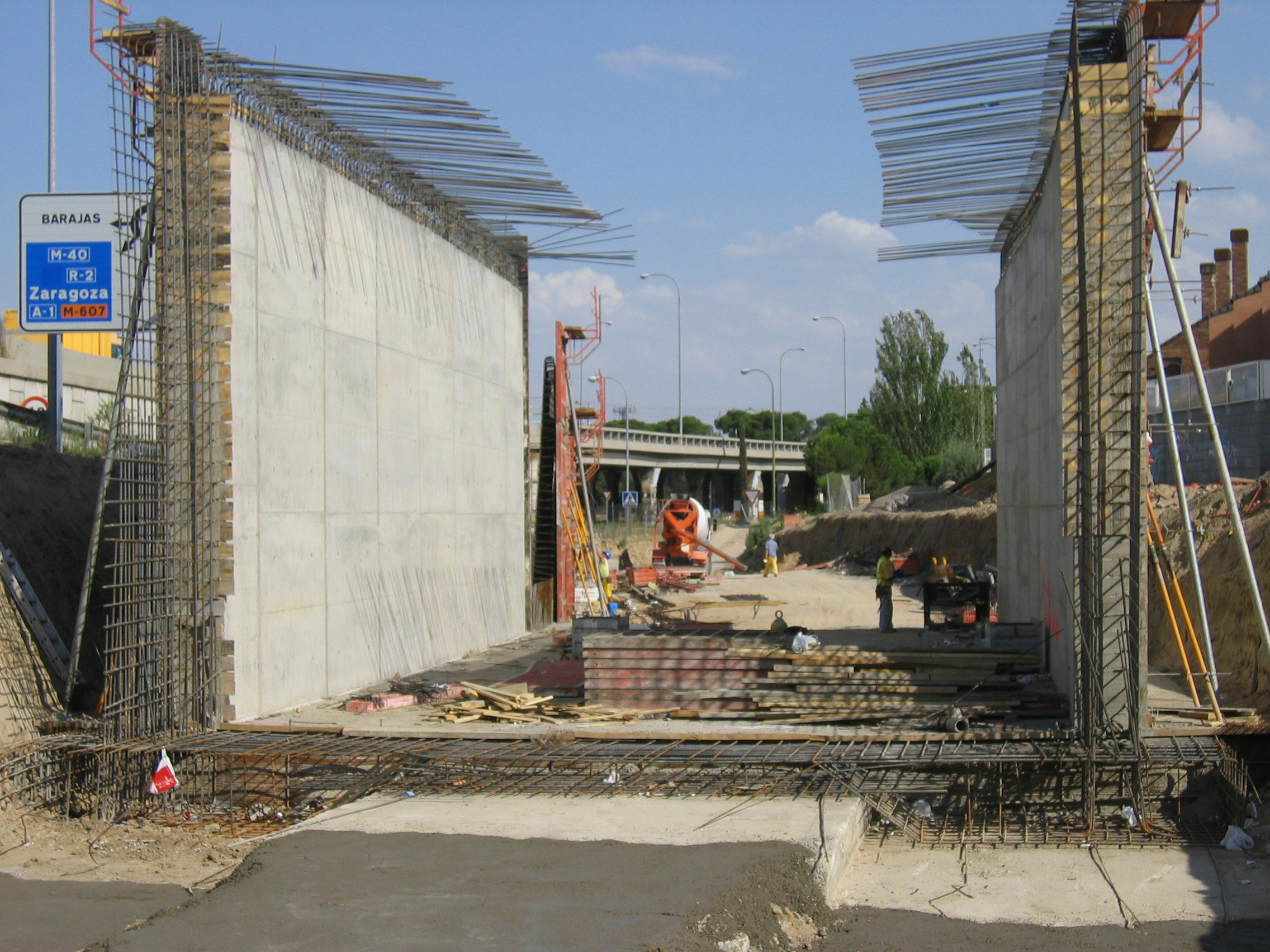
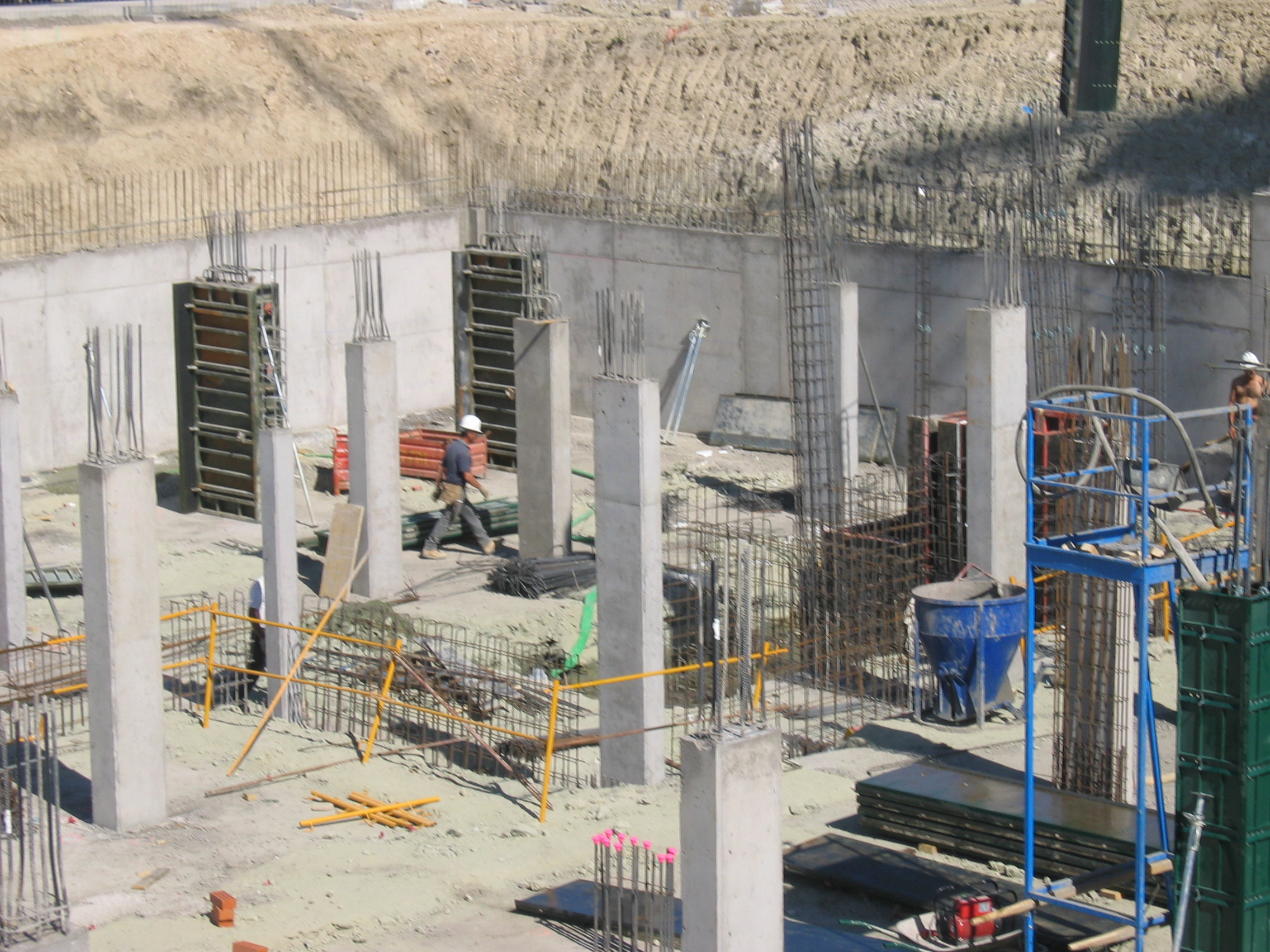
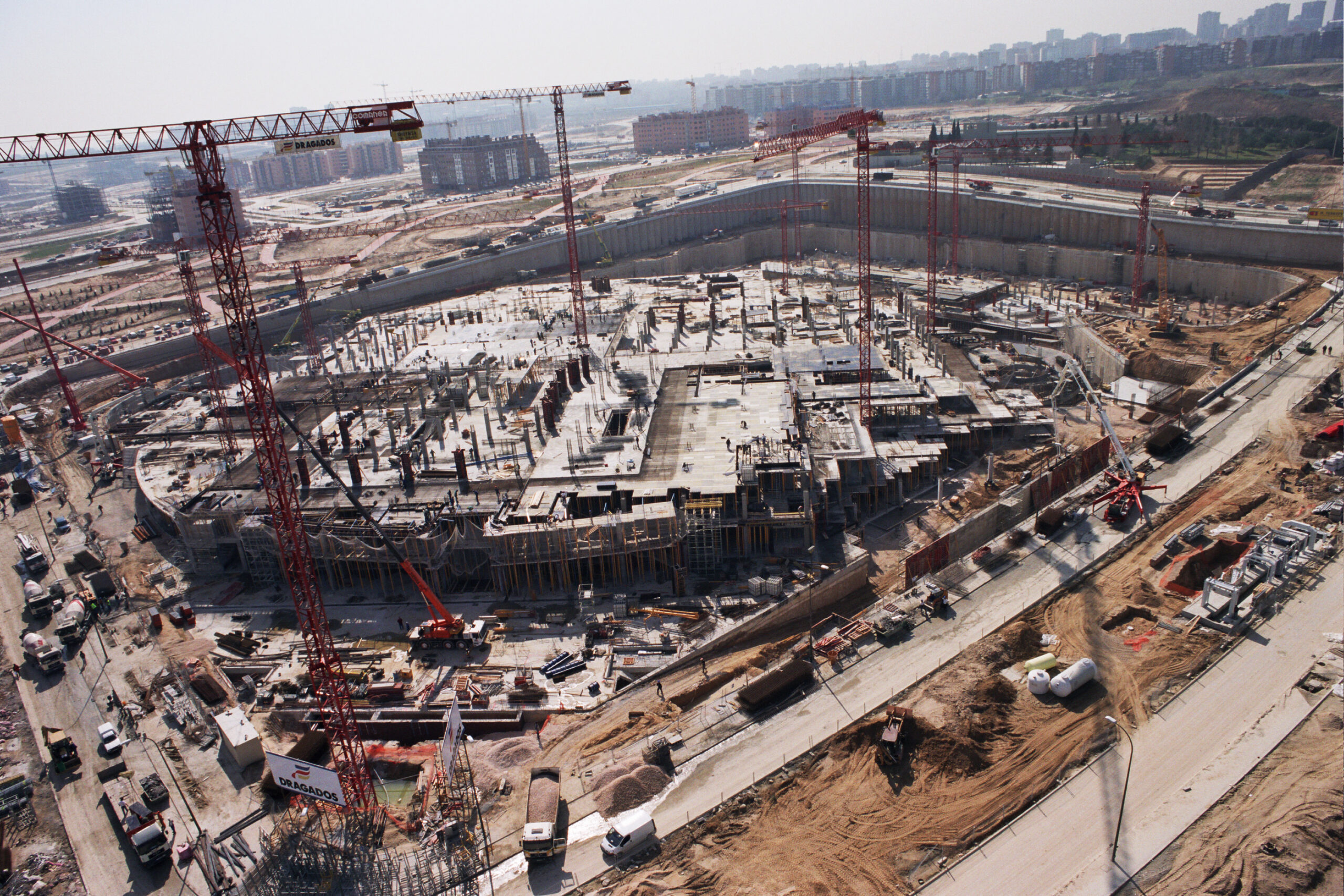
From the perspective of fabricated reinforcing steel, the project represented a major challenge in terms of planning, industrialization and logistics due to the large number of simultaneous construction fronts and the wide variety of structures involved. ERSIGROUP participated in the supply, fabrication and installation of reinforcement for stations, tunnels, cut-and-cover structures, diaphragm walls, piled foundations, interchange facilities, viaducts and precast segmental linings manufactured for TBM excavation. During construction, approximately 50,100 tonnes of reinforcing steel were utilized for both underground structures and major civil engineering works
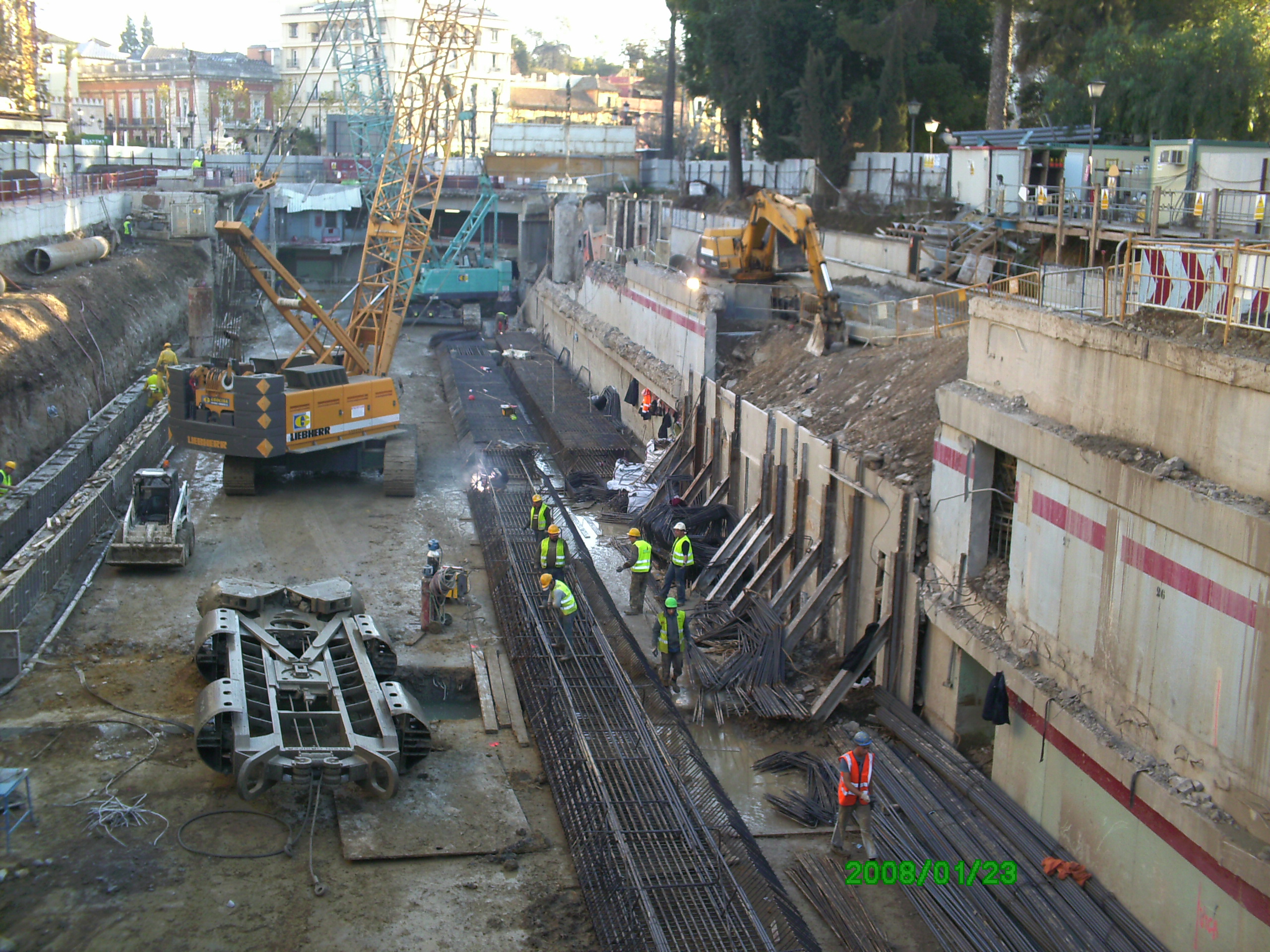
The structures with the highest reinforcement demand included diaphragm walls, station slabs, tunnel invert slabs and large-diameter piled foundations. The iconic Puerta de Jerez Station was particularly noteworthy due to the complexity of its retaining and foundation systems, constructed below the groundwater table and in close proximity to the Guadalquivir River. The station required piles measuring up to 45 m in length and 2 m in diameter, diaphragm walls reaching 44 m in depth, and reinforcement arrangements incorporating triple-layer cages with bars up to Ø32 mm. This station alone consumed approximately 5,500 tonnes of reinforcing steel, of which nearly 2,000 tonnes were allocated to piles and diaphragm walls
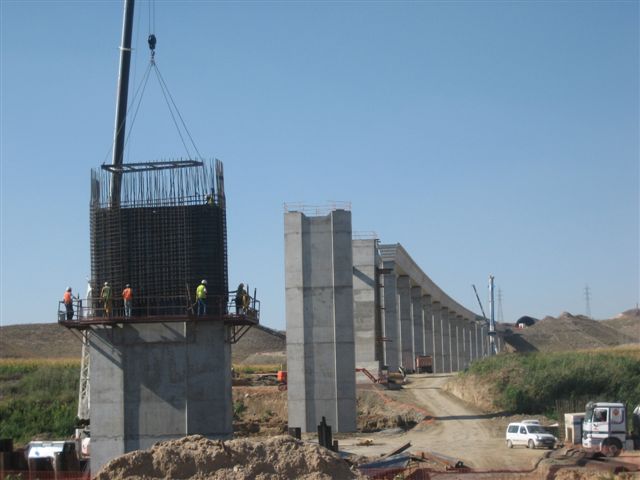
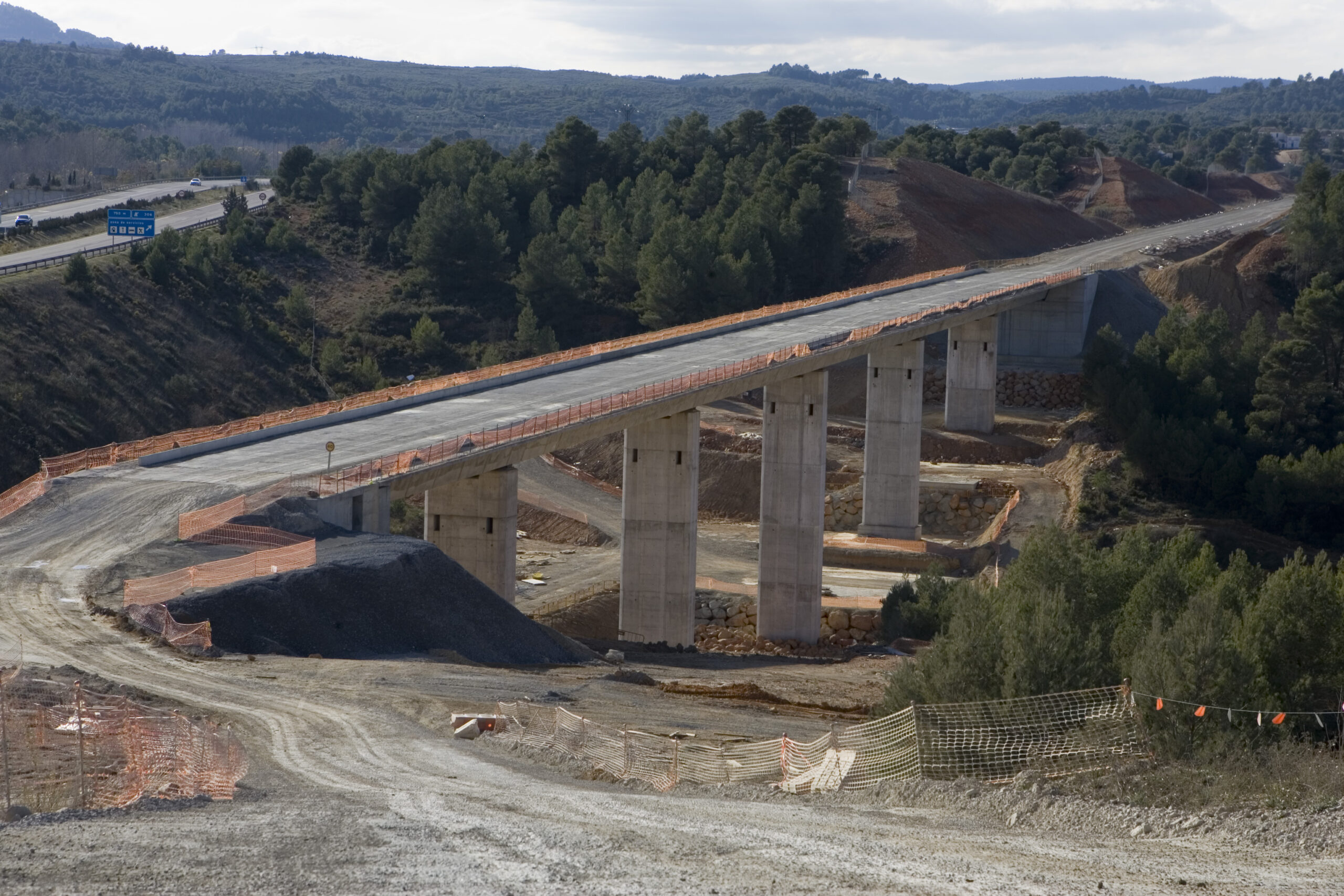
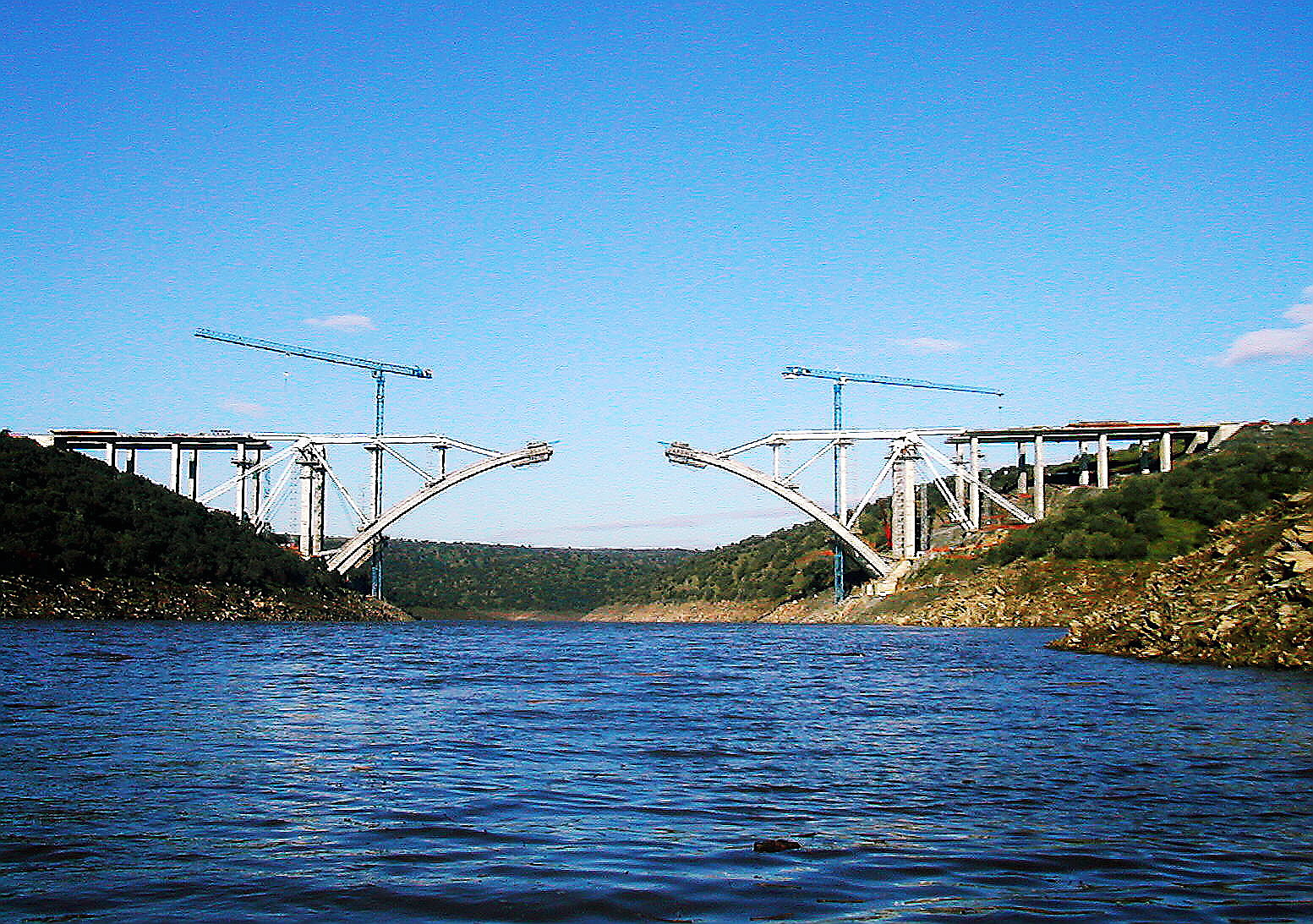
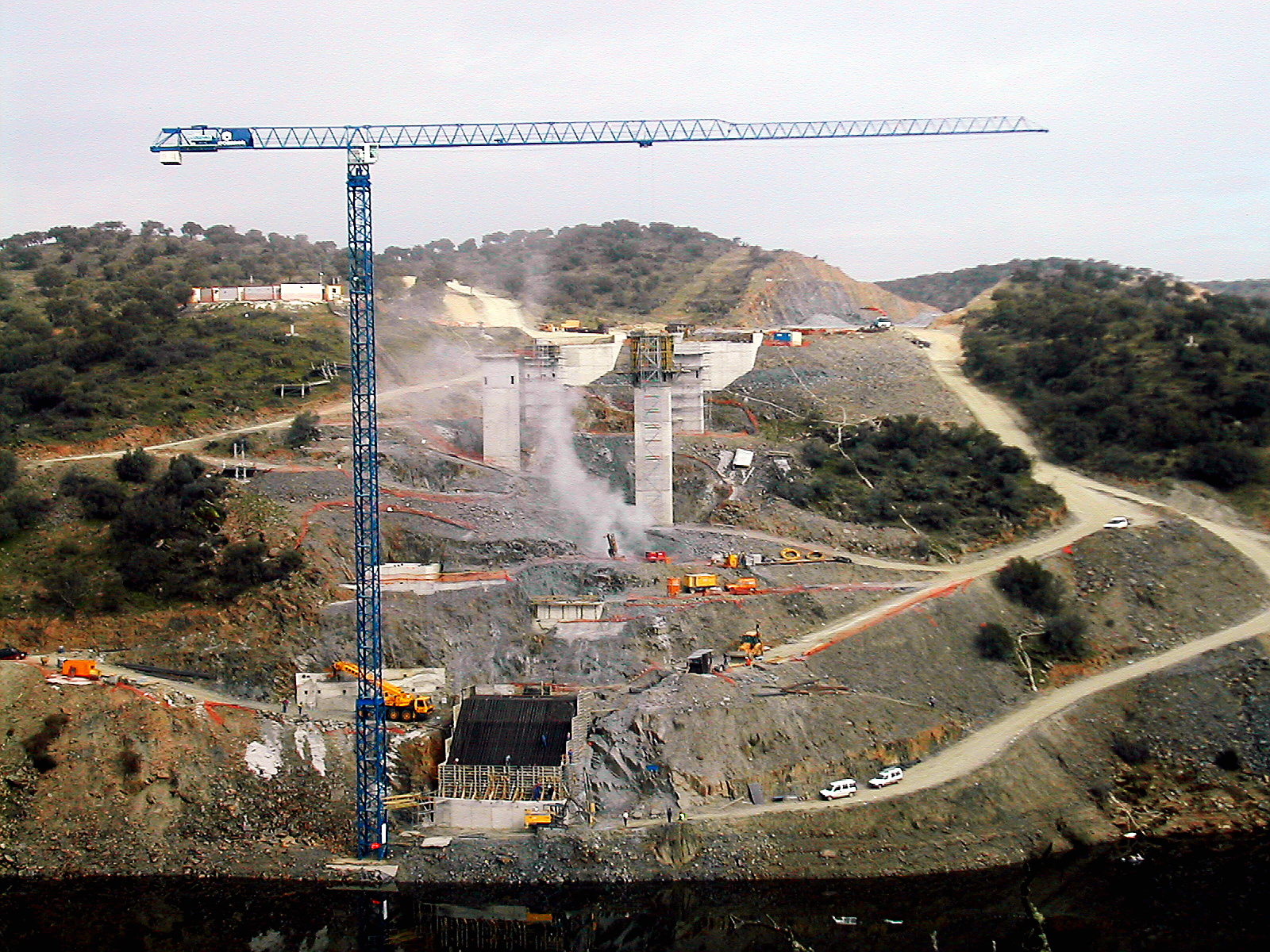
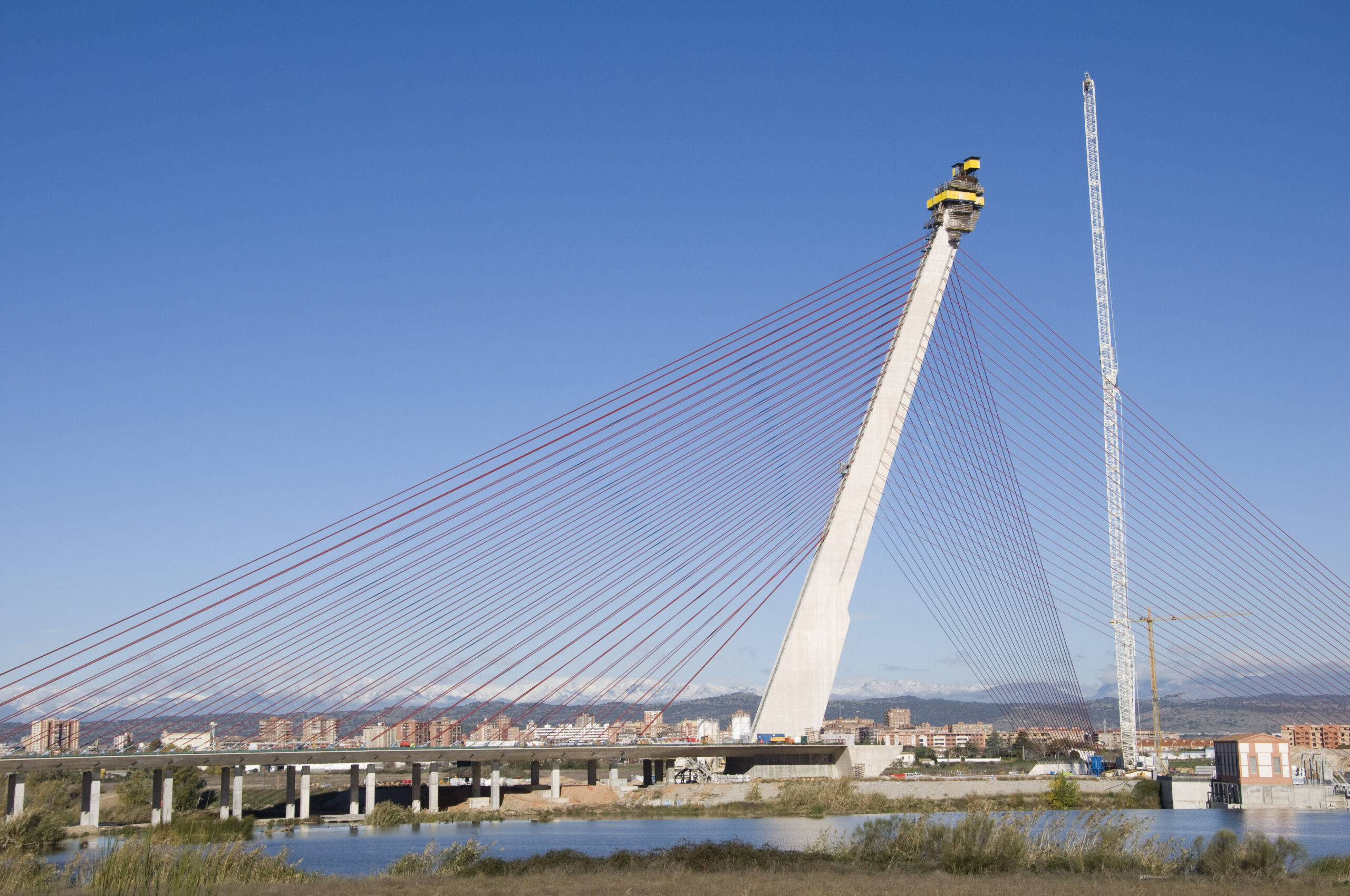
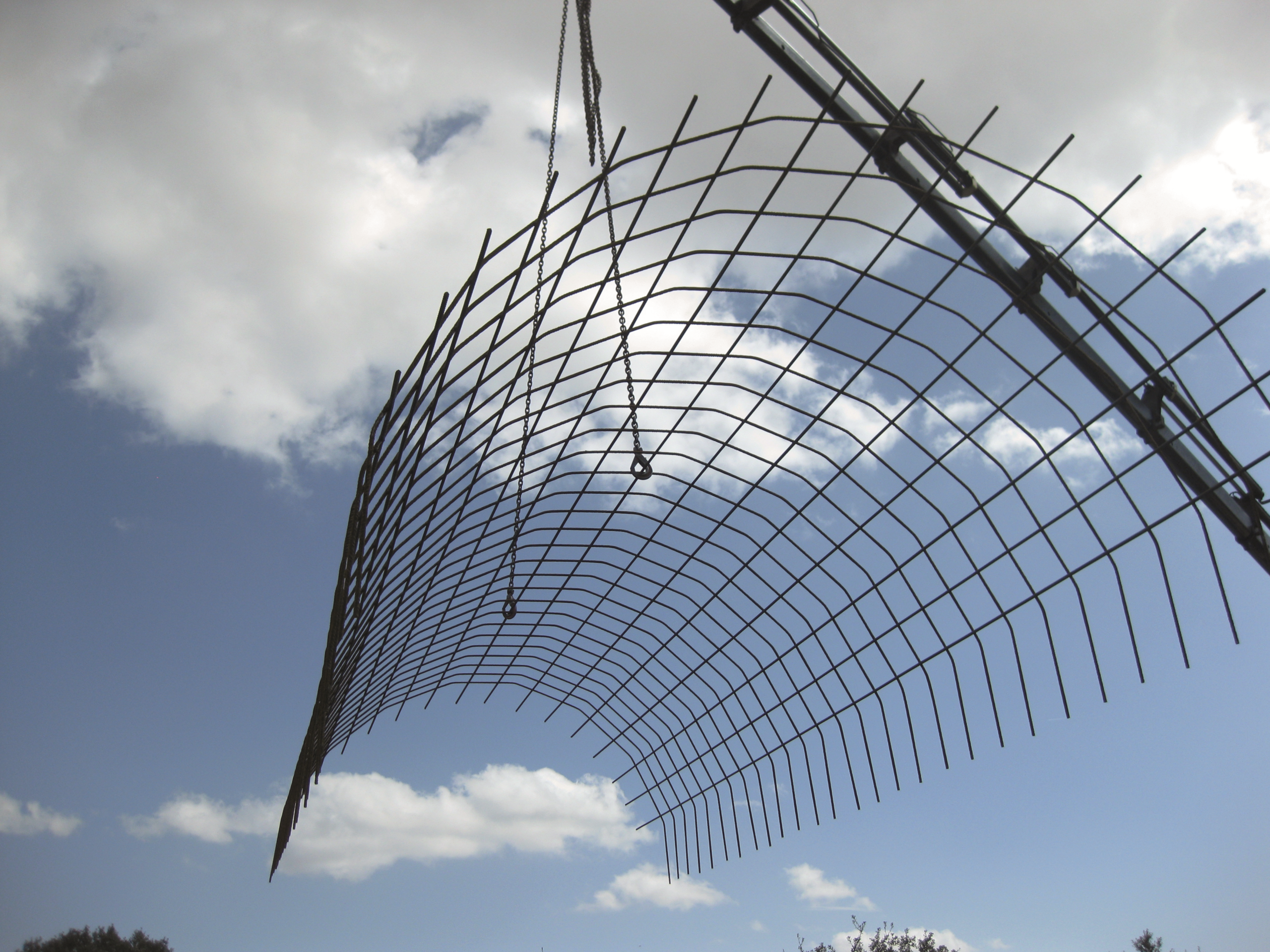
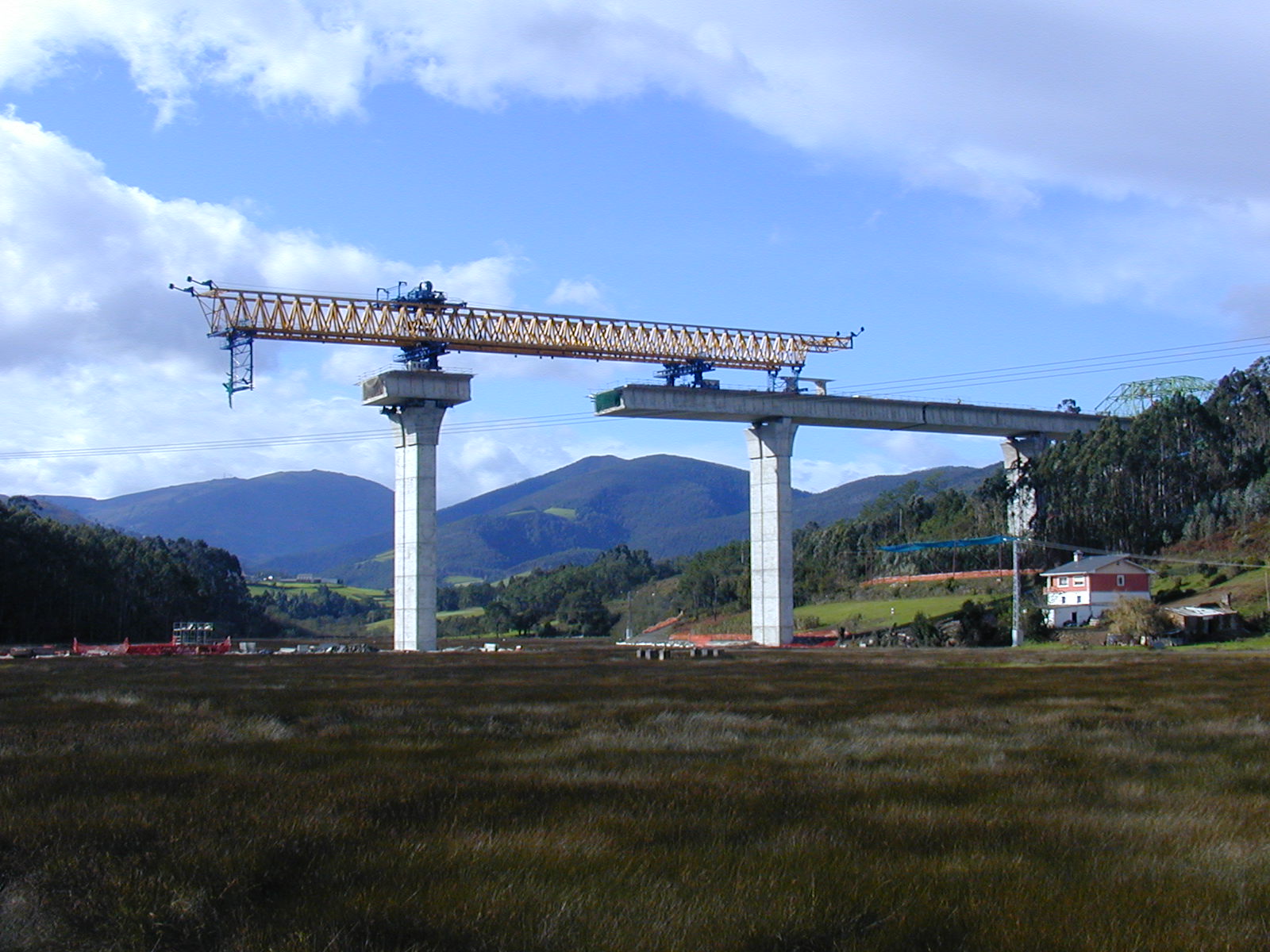
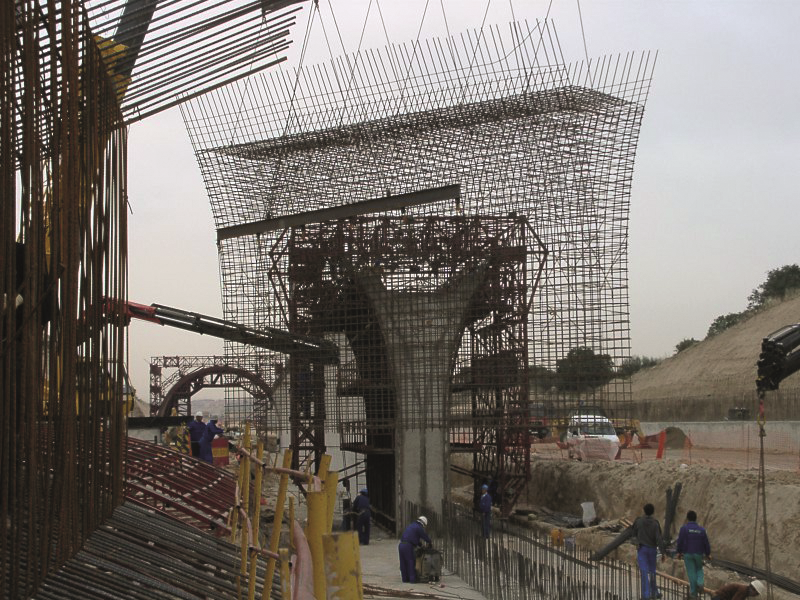
The project also included major landmark structures such as the San Juan Bridge over the Guadalquivir River, the Guadaíra Viaduct and the Seville–Utrera Highway Viaduct, where large-diameter piles, bridge piers up to 2 m in diameter, and special reinforcement incorporating bars up to Ø40 mm were installed. The industrialized reinforcement solutions developed by ERSIGROUP, together with the prefabrication of reinforcement cages weighing up to 45 tonnes, enabled significant improvements in installation productivity, safety performance and construction efficiency, contributing to the successful delivery of one of Spain’s most complex metropolitan transport infrastructures
FAITS MARQUANTS
- 18 km metro line comprising 22 stations
- 11.2 km of tunnels and 39.2 km of railway track
- Infrastructure developed with 60% underground alignment and 40% surface alignment
- More than 599,450 m³ of concrete placed
- More than 50,100 tonnes of fabricated and installed reinforcing steel.
- Manufacture of precast tunnel segments for TBM excavation
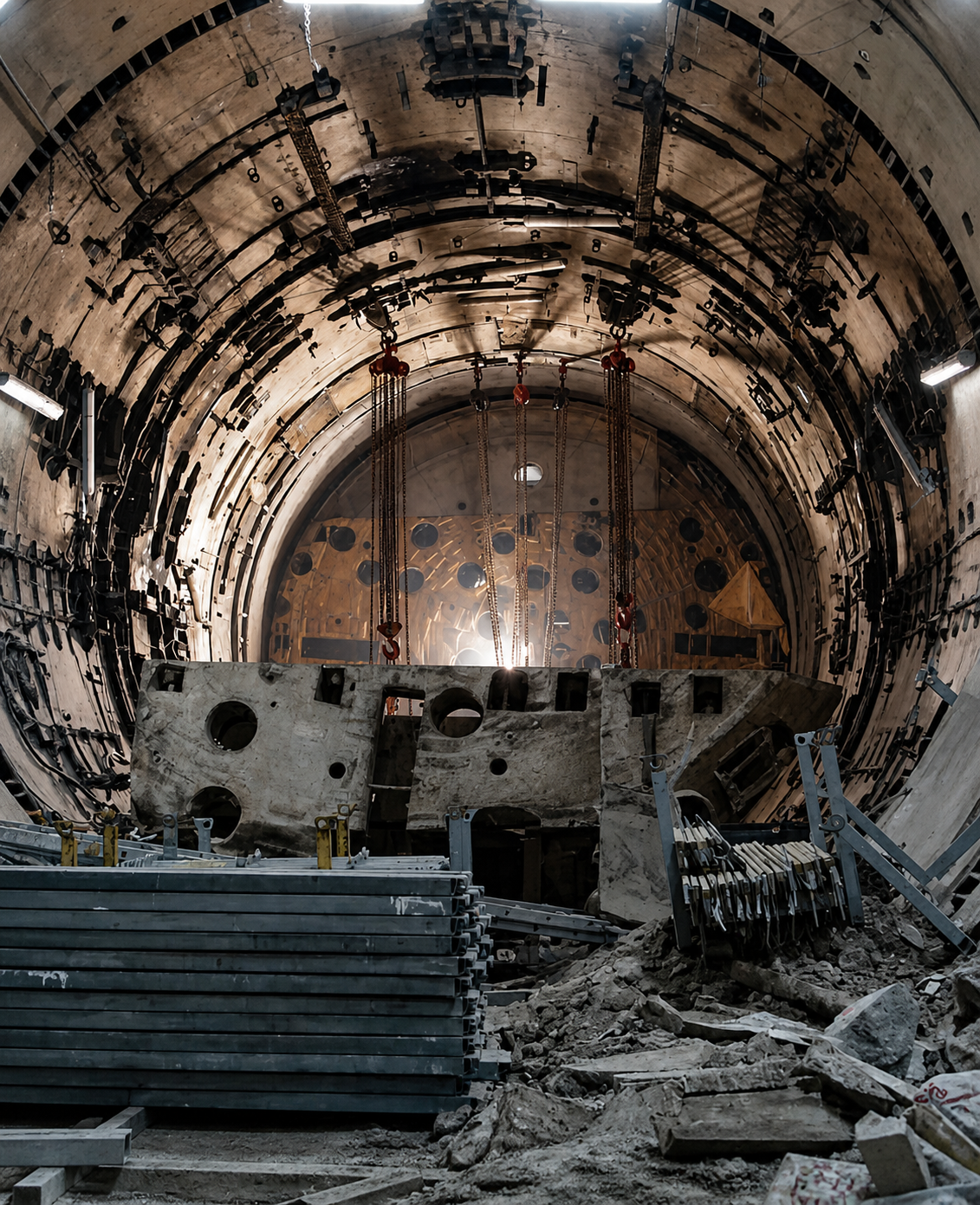
- Construction of twin tunnels beneath the Guadalquivir River using tunnel boring machine technology
- Construction of the 1,400 m long San Juan Bridge, the principal connection structure of the line
- Installation of piles measuring up to 2 m in diameter and 45 m in length
- Execution of diaphragm walls reaching 44 m in depth
- Use of special reinforcing bars up to Ø40 mm in bridge piers and major structural elements
- Prefabrication and installation of reinforcement cages weighing up to 45 tonnes
- Implementation of reinforcement industrialization and optimization processes developed by ERSIGROUP for stations, tunnels, viaducts, foundations and special structures

details
- Categories:
- Civi Work
- Subtype:
- Subway
- Location:
- Seville, Spain
- Customer:
- UTE Metro Sevilla: Dragados S.A., Sacyr y GEA 21, S.A.
- Tn os Steel:
- 50.100 Tons
WORKS IMAGES
WORKS OF THE COUNTRY